
Driving whole grain consumption: what the food industry is doing and can do
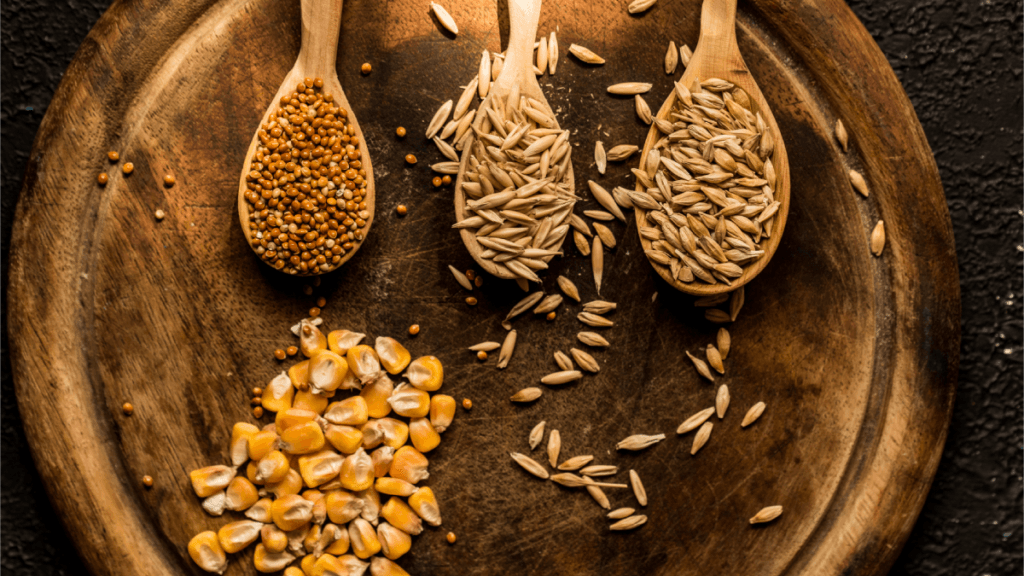
Whole grains are increasingly recognised as a cornerstone of healthy diets, yet intake across several European countries remains below recommended levels(1, 2). Addressing this gap requires action across the food system, with the food industry playing a key role in shaping the food environment and influencing everyday choices. As part of PepsiCo’s commitment to advancing […]
The importance of food processing for whole grain benefits
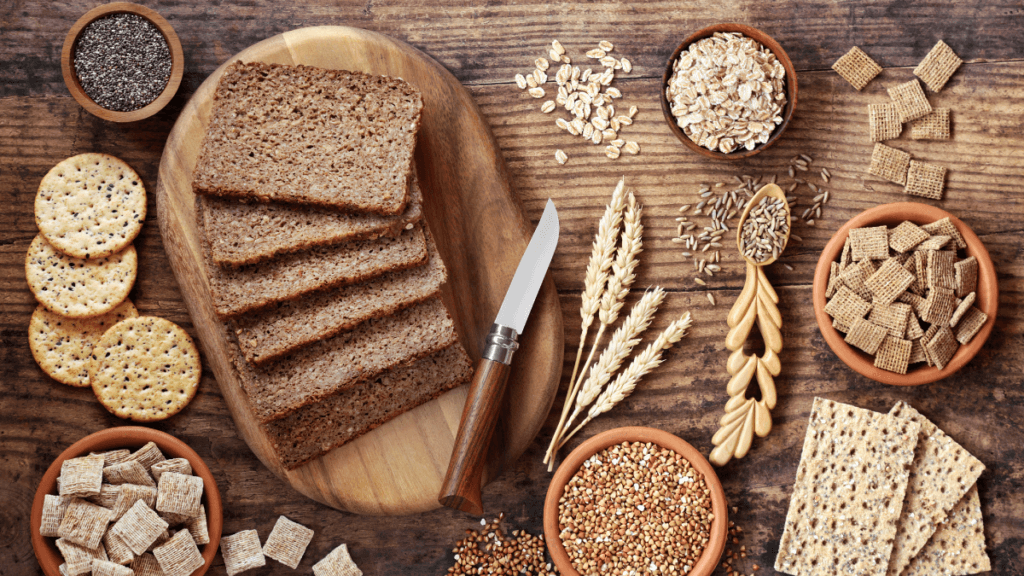
Food processing and ultra-processed foods Food processing captures any method that alters or transforms raw ingredients (for example, wheat) into edible, safe, and stable food products (for example, bread). Methods range from simple home cooking to large-scale industrial production. It is the latter that has been increasing in hype recently through its interpretation by some […]
Beyond the Noise: Rebuilding Trust in Food and Why Whole Grains Still Matter
Cutting through diet misinformation is the work of a lifetime, and it’s why organisations like foodfacts.org exist: to make evidence clear, actionable, and humane for people navigating confusing claims about food and health. Whole grains are a prime example: their benefits are well-established, yet they’re often overshadowed by viral myths that discourage people from eating […]
Why hospitality has a key role in boosting whole grain consumption

The Sustainable Restaurant Association (The SRA) is on a mission to accelerate change around the world towards a hospitality sector that is socially progressive and environmentally restorative. We do this through the world’s leading sustainability certification for hospitality: the Food Made Good Standard — the only comprehensive assessment designed specifically for foodservice, helping businesses understand […]
Why bake with whole grains and why should more (home) bakers consider it?

When we talk about whole wheat, we mean flour that still contains the dietary fibres, proteins, and minerals naturally present in the grain. These nutrients are concentrated in the bran — the grain’s outer layer. But what role does this layer play in nature, and why does it matter for us as bakers? The bran […]